
Solar vs Electric Water Heaters in Uganda: Which Saves You More?
-
RelaxAdmin
- Posted on
- 0 comments
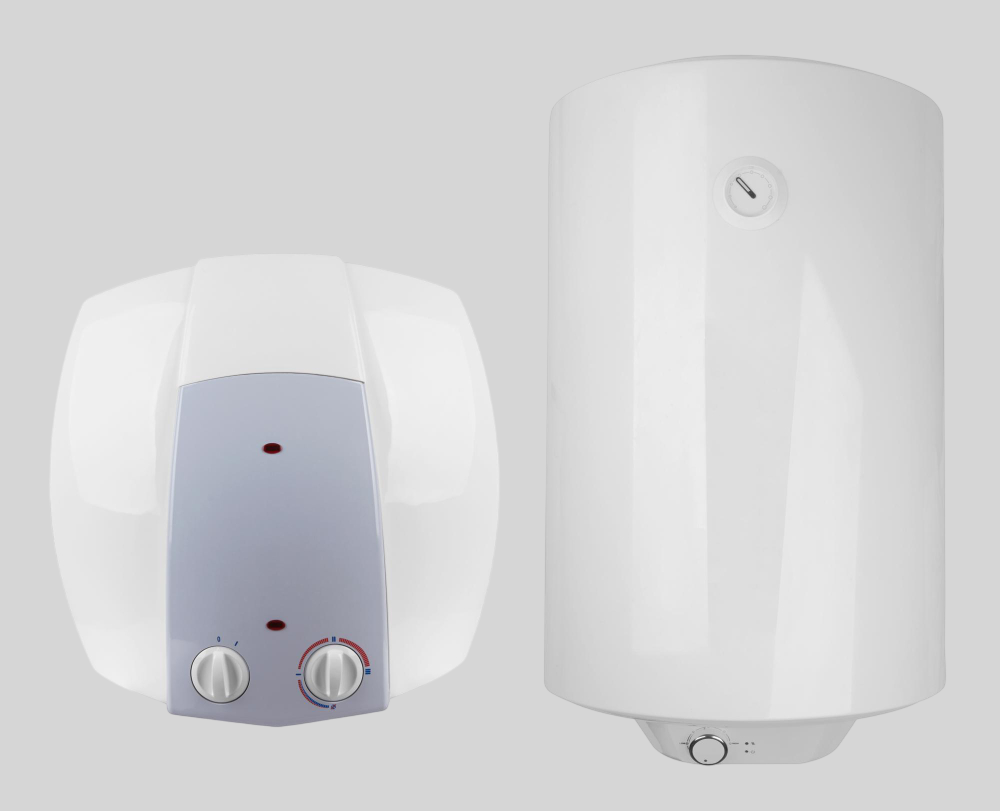
Balancing upfront cost, monthly bills, and environmental impact is essential when choosing between Solar vs Electric Water Heaters Uganda. This guide compares both options side by side—so you can make an informed decision for your Ugandan home or business.
Why Compare Electric vs Solar Heaters?
Understanding electric vs solar heaters helps you:
- Evaluate initial investment
- Estimate running expenses
- Assess maintenance needs
- Measure long‑term savings
Whether you’re upgrading your bathroom or installing a system for a guesthouse, this comparison will clarify which option truly pays off.
Upfront Costs
| System Type | Equipment (UGX) | Installation (UGX) | Total (UGX) |
|---|---|---|---|
| Solar System | 2,000,000 – 4,000,000 | 500,000 – 1,000,000 | 2,500,000 – 5,000,000 |
| Electric Unit | 400,000 – 1,000,000 | 100,000 – 200,000 | 500,000 – 1,200,000 |
Electric models are cheaper to buy. Yet, the real savings emerge when you compare electric vs solar heaters over time.
Operating Expenses
- Electric Heaters
- Tariff: ~UGX 600 per kWh
- Daily use: 5 kWh → ~UGX 90,000/month
- Solar Systems
- Sunlight: free
- Backup electricity: ~UGX 10,000 – 20,000/month
When assessing electric vs solar heaters, solar setups can reduce your energy bills by up to 80%.
Maintenance & Lifespan
| Aspect | Solar Systems | Electric Heaters |
|---|---|---|
| Service Interval | Annual | Bi‑annual |
| Typical Issues | Panel leaks, wear | Element failure |
| Expected Lifespan | 10–15 years | 5–8 years |
| Annual Maintenance | UGX 50,000 – 100,000 | UGX 30,000 – 60,000 |
A clear comparison of Solar vs Electric Water Heaters Uganda shows solar’s longer life often offsets its higher service requirements.
Environmental Impact
- Solar Systems
- Avoids ~1 ton of CO₂ emissions per year
- Electric Heaters
- Relies on grid power—mostly hydro, partly fossil fuels
For eco‑minded homeowners, the choice between electric vs solar heaters is obvious.
Return on Investment (ROI)
- Electric Units
- No payback period; ongoing energy costs.
- Solar Systems
- Payback in 2–3 years via energy savings.
- After payback: 7–12 years of minimal energy bills.
ROI analysis tilts the balance in favor of solar when comparing electric vs solar heaters.
Internal Link for More Detail
For a broader overview of hot‑water solutions, check our Instant Water Heaters in Uganda: Complete 2025 Guide to Prices, Brands & Installation. This parent article covers everything from tankless models to hybrid systems.
Which Option Suits You?
- Low Budget & Short Term: Choose electric heaters.
- Long‑Term Savings & Sustainability: Invest in solar setups.
- Both Needs: Explore hybrid systems.
This clear contrast of electric vs solar heaters in Uganda ensures you pick the best system for your goals.
Installation & Maintenance Tips
- Professional Setup
- Hire licensed electricians and plumbers.
- Correct Sizing
- Match capacity (L/min) to household demand.
- Regular Servicing
- Clean filters and check valves yearly.
- Pipe Insulation
- Reduce heat loss for extra savings.
Proper care maximizes the benefits outlined in the parent guide: Instant Water Heaters in Uganda: Complete 2025 Guide.
Conclusion
Reviewing electric vs solar heaters highlights immediate affordability versus long‑term savings. Electric units offer low upfront costs, while solar systems deliver significant energy and environmental benefits. Use this comparison to guide your purchase—and consult certified professionals for flawless installation. Hot water in Uganda has never been cheaper or greener!